


Arizona Nonprofits Can Apply to Receive a Free Solar System from SRP
WHAT:
Salt River Project (SRP) is now accepting applications for its Solar for Nonprofits™ Program, which provides free solar energy systems to one qualifying nonprofit organizations in the Valley each year.
The application period is open now through August 15. The program is designed to help nonprofits lower their energy costs and reduce carbon emissions. Selected nonprofits receive a fully installed solar system and two years of maintenance at no cost. This program is funded by SRP customers who voluntarily contribute as little as $3 per month.
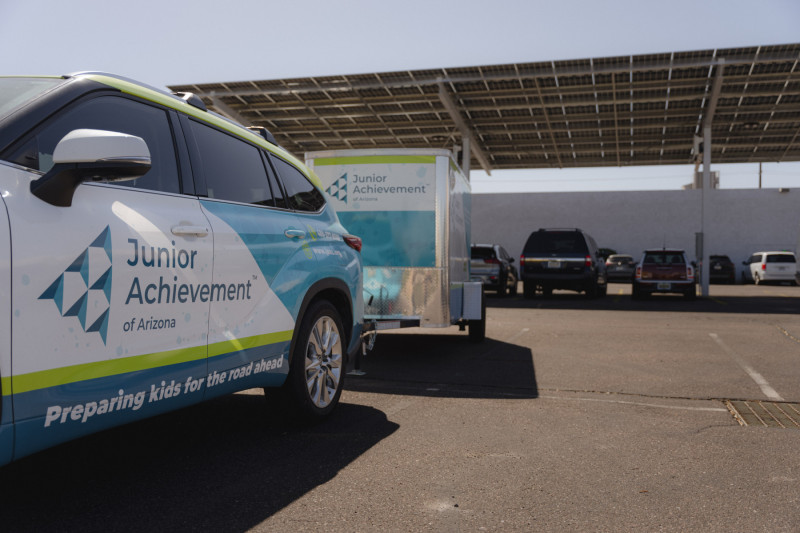
Since 2007, SRP has awarded 54 solar systems to local nonprofits, including the Arizona Humane Society, Junior Achievement and New Leaf. Collectively, these systems have saved nonprofits more than $1 million in energy costs while supporting clean, renewable energy.
WHEN/WHERE:
- The application period is open from July 14 to August 15.
- Nonprofits can apply on the SRP Solar for Nonprofits page.
DETAILS:
- The 2025 recipient will be announced and notified by mid-November.
- To qualify, nonprofit applicants must be designated as a 501(c)(3) organization.
- Must be in SRP territory.
- Must have parking space available for the system to be installed.
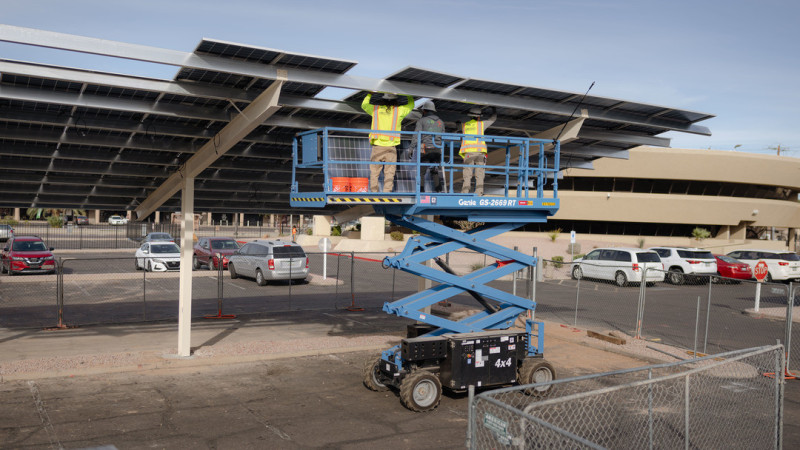
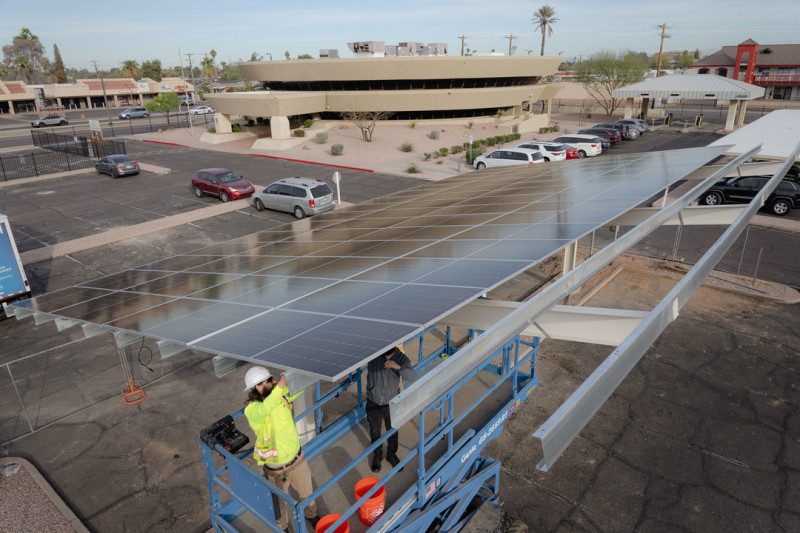
- The program covers the full expense of the solar system, including the construction of the canopy and two years of maintenance.
- The solar-covered parking system provides energy for business operations and shade for parked vehicles in parking lots.
Additional eligibility requirements and instructions on how to apply, can be found on the SRP Solar for Nonprofits page.
SRP is a community-based, not-for-profit public power utility and the largest electricity provider in the greater Phoenix metropolitan area, serving about 1.2 million customers. SRP provides water to about 2.5 million Valley residents, delivering 260 billion gallons of water (800,000 acre-feet) each year, and manages a 13,000-square-mile watershed that includes an extensive system of reservoirs, wells, irrigation laterals, and 131 miles of canals.